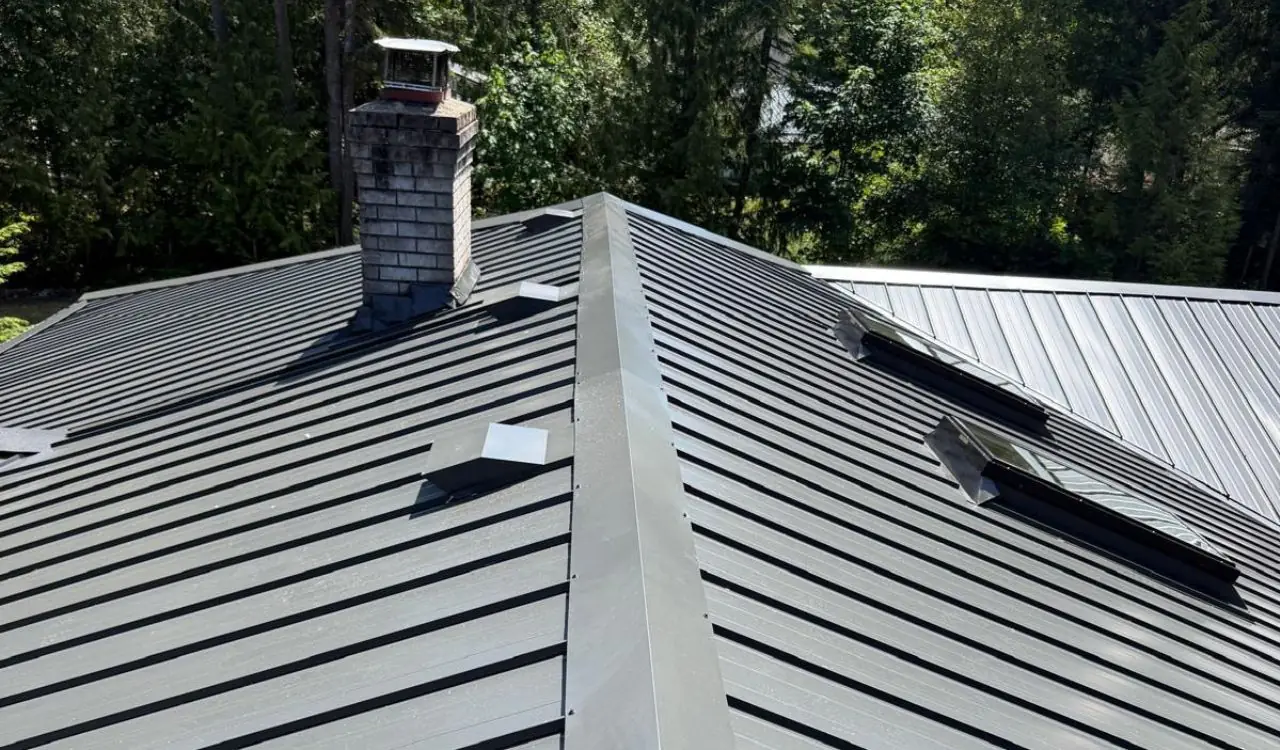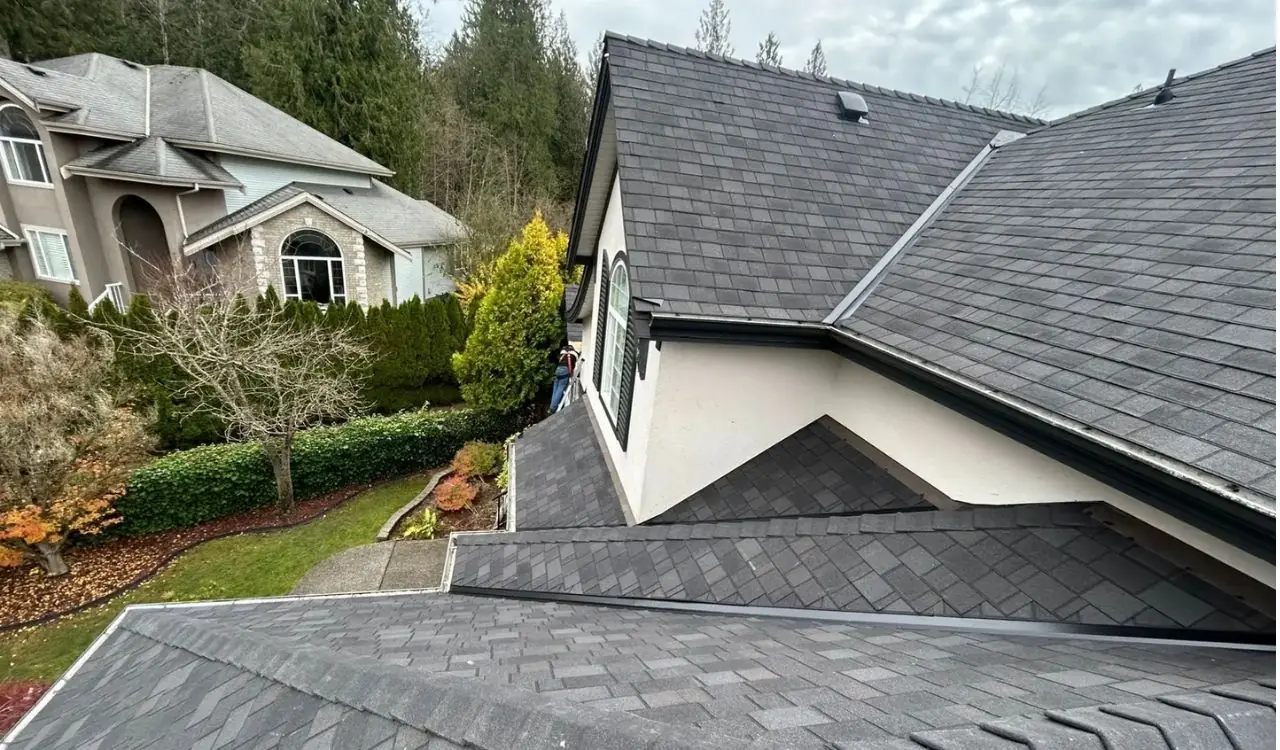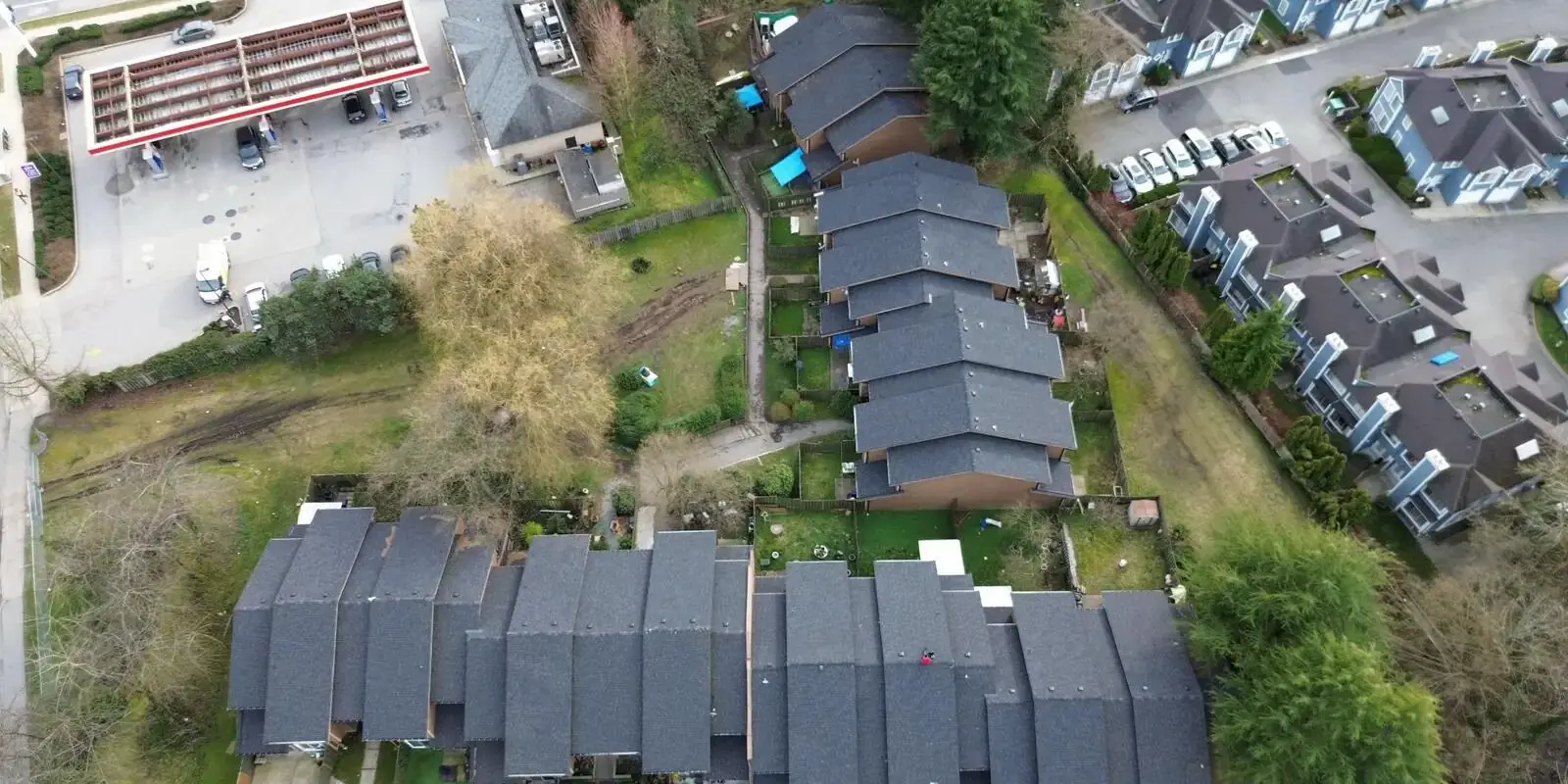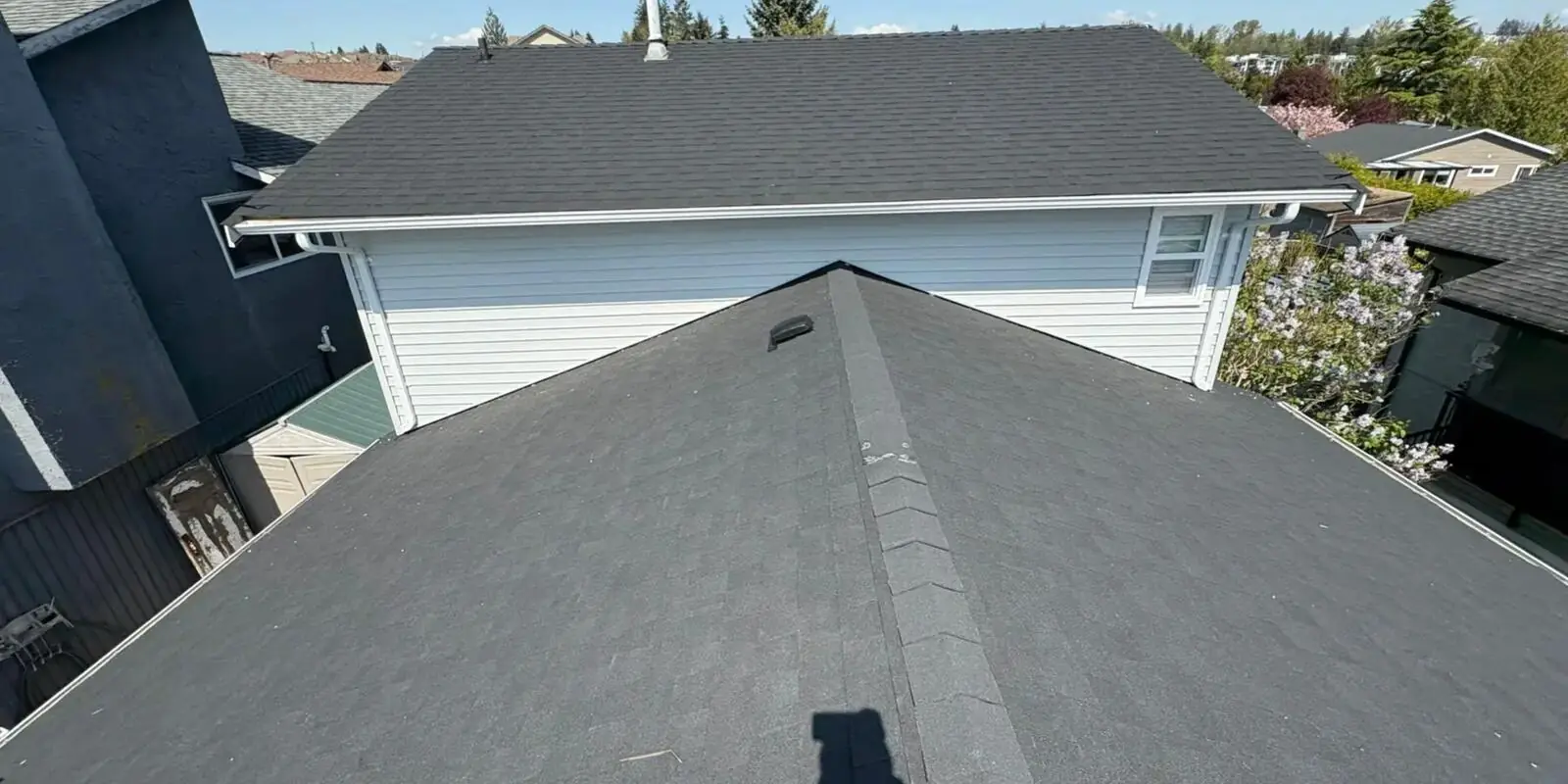
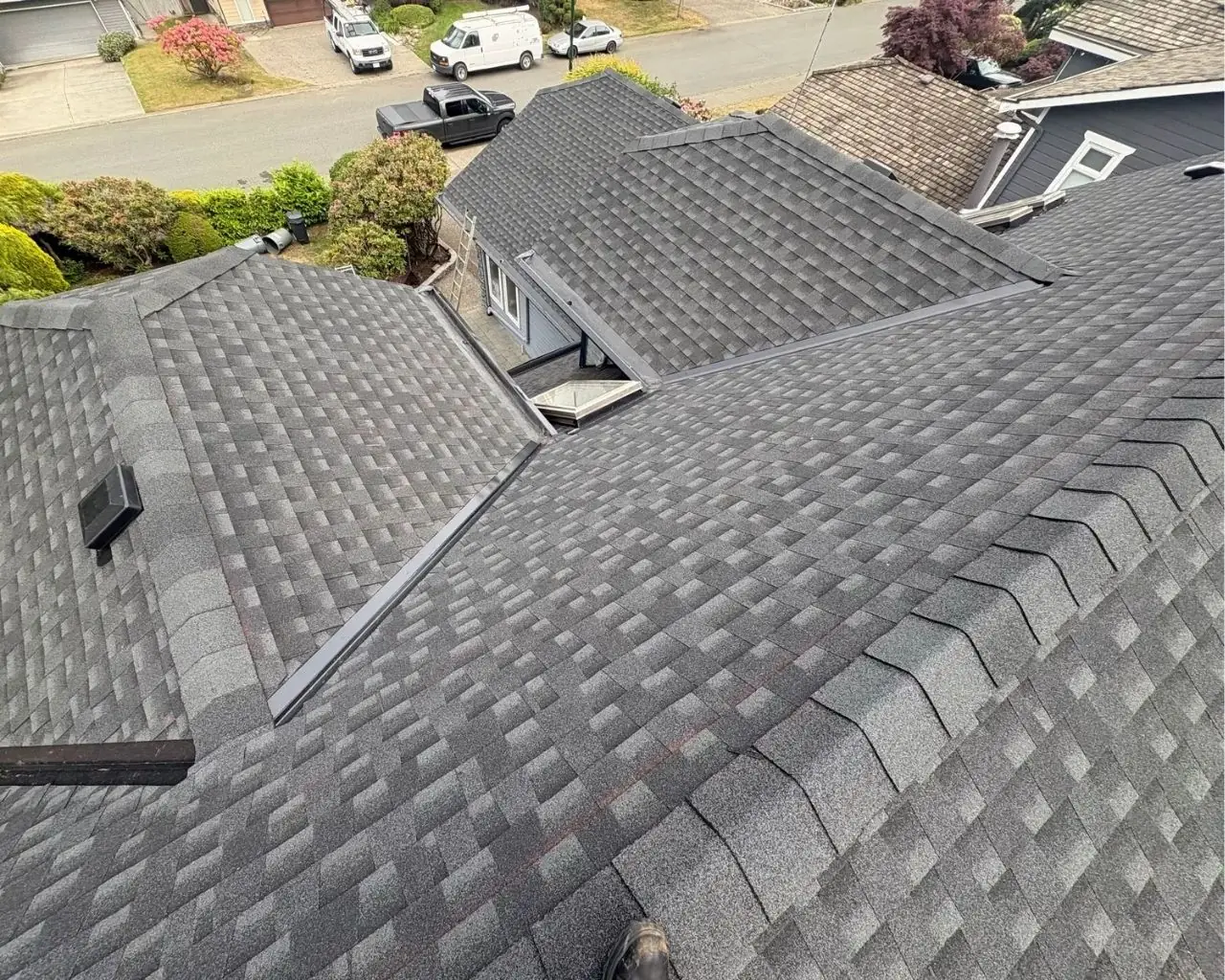
The questions to ask a roofing contractor before you hire are the cheapest protection a Vancouver homeowner can buy. A roof replacement is one of the largest cheques you will ever write for your home, and the crew you choose decides whether that roof lasts 25 years or starts leaking in the second winter. The quotes will look similar. The answers to the right questions will not. This guide gives you the questions that matter most when you are hiring a roofer in Vancouver, Surrey, Delta or anywhere in the Lower Mainland, what a good answer sounds like, and what proof to ask for before you sign anything. Ask them in the same words to every contractor you interview, and write the answers down.
1. Are You Licensed, and Can I See the Licence?
There is no provincial roofing licence in BC, so this question has a specific local answer: a roofing contractor needs a business licence from each municipality where they work. Ask for the licence number covering your city, whether that is Vancouver, Surrey, Delta or Burnaby, and confirm it is current. A licensed company is traceable and accountable to the city, and far less likely to vanish mid-job.
A good answer: the licence number, the city it covers, and an offer to show it. Walk away if the contractor dodges the question or says licences do not matter. This check leads our guide to how to choose a roofing contractor in Vancouver, and it takes about a minute to run.
2. Are You Covered by WorkSafeBC?
Roofing is one of the highest-risk trades in BC, and every legitimate contractor carries WorkSafeBC coverage for its workers. Ask for a clearance letter: it takes a contractor minutes to produce and proves the account is in good standing. If a worker is injured on your property and the company has no coverage, the liability questions get very uncomfortable, very fast.
A good answer: "Yes, here is the clearance letter, and it is current." Walk away if the contractor says WorkSafeBC does not apply to them, or that the letter is coming and never arrives. Never accept a verbal assurance in place of the letter.
3. Can I See Your Liability Insurance Certificate?
"We are fully insured" is easy to say. Ask to see the certificate of liability insurance, check the dates, and confirm the coverage amounts look serious for roofing work. The certificate should name the company you are hiring, not a different business, and the dates should cover the period your job will run.
A good answer: the certificate in your hands, current, with the company name matching the quote. Walk away if the certificate is expired, names a different company, or the contractor says the paperwork is at the office and never produces it. Insurance protects your home if something goes wrong during the job.
4. How Long Have You Been Roofing Here, Under This Name?
Longevity under one name is one of the strongest trust signals in this trade. A company that has roofed in the Lower Mainland for years knows our rain, our moss and our older housing stock, and it will still be here if a warranty issue comes up in five years. Name-hopping is a classic move for companies dodging bad reviews or warranty claims.
A good answer: a clear number of years, a local address you can verify, and recent jobs in your neighbourhood. Walk away if the company is new under this name with no explanation, lists only a PO box, or cannot point to local work completed years ago.
5. Will Your Own Crew Do the Work, or Do You Subcontract It?
Either arrangement can produce a good roof, but you need to know which one you are buying. A crew employed by the company you hired is supervised by people who answer to that company. Work subcontracted to an unknown crew, with no named on-site supervisor, is where quality control breaks down and warranty responsibility gets blurry later.
A good answer: "Our own crew, and here is who supervises on site," or a named subcontractor with a named supervisor you can meet. Walk away if the answer is vague, the crew changes every day, or nobody can tell you who is in charge on your roof.
6. What Exactly Does the Written Quote Include?
Two or three written, itemised quotes are the standard advice, but the value is not in finding the lowest number. It is in comparing what each quote actually includes: the full tear-off versus an overlay, the underlayment type and where ice-and-water shield goes, which flashing gets replaced, ventilation work, the exact shingle brand and product line, disposal and site protection, start and completion dates, how weather delays are handled, the payment schedule, and the warranty terms in writing.
A good answer: a line-by-line quote you can compare against the next one. Walk away if the quote is a single line, "reroof house," with a price, or the contractor will not put the scope in writing. A quote that sits thousands below the others almost always left something out. Our roof replacement cost guide for Vancouver breaks down typical 2026 ranges by home type.
7. Which Material Do You Recommend for My Roof, and Why?
A contractor who recommends the same material for every roof is selling, not advising. The right material depends on your roof slope, your budget, shade and moss exposure, and how long you plan to stay in the home. Ask why this product fits your roof specifically, and what the alternatives would cost and last. The answer should mention your roof, not just the product brochure.
A good answer: a recommendation tied to your slope, exposure and budget, with the trade-offs stated plainly. Walk away if the contractor cannot name the brand and product line, or recommends shingles for a flat section, which will fail quickly and void most manufacturer warranties. Our guide to how long a roof lasts in Vancouver's climate explains what decides the lifespan of each material.
8. What Warranties Do I Get, and What Is in Writing?
Every new roof in BC carries two separate warranties: one from the manufacturer, covering the roofing materials, and one from the contractor, covering the workmanship. They cover different things, last for different lengths of time, and each one has exclusions that can leave you paying out of pocket if you never read the terms. From reputable Lower Mainland contractors, a workmanship warranty commonly runs five to ten years. What matters most is what is written in the contract: exactly what is covered, who you call, and how fast the contractor commits to come out.
A good answer: both warranties in the written contract, with the terms, registration and transfer rules explained. Walk away if the warranty is only in a brochure or a verbal promise, or it covers labour only and excludes the materials needed for the repair. Our guide to roofing warranty explained covers manufacturer versus workmanship cover, proration, transfer and the things that void a warranty.
9. Who Supervises on Site, and How Do I Reach Them?
Roofing is fast, loud work, and decisions get made on the roof while you are at work. You need one named person who is accountable for the job, who inspects the work as it goes, and who you can reach by phone during the day. Without visible supervision, underlayment gets skipped and valleys get flashed wrong, and those mistakes only show up when it rains.
A good answer: a name, a phone number, and a final walkthrough with you before the last payment. Walk away if nobody is named, or the company will not commit to a walkthrough. Our step-by-step guide to the roof installation process shows what correct installation looks like at each stage, so you know what to watch for while the crew is on your roof.
10. How Will You Protect My Home, and What Does Cleanup Include?
A tear-off drops thousands of old shingles, nails and debris, and a careless crew leaves the evidence in your garden, your gutters and your tyres. Ask what the crew puts down before they start, how they protect landscaping, whether they run a magnetic nail sweep when the job is done, and who removes the bin. Cleanup is part of the job, and it should be in the quote.
A good answer: tarps over gardens, plywood over delicate landscaping, a magnetic sweep for nails, and a bin removed by the contractor. Walk away if cleanup is vague, charged as an extra you only hear about later, or left to you. A clean site on the last day is a reliable sign of a careful crew.
11. What Is the Timeline, and What Happens When It Rains?
Vancouver weather moves every schedule, so the question is not whether rain will interrupt the job but how the contractor handles it. Ask for a firm start date, an expected completion date, and what happens to an open roof when the forecast turns. A professional crew tears off only what it can dry in the same day.
A good answer: dates in writing, a clear rain plan, and an honest update when weather pushes the schedule. Walk away if there is no start date, or the crew tears off the whole roof on a wet forecast. Get the dates and the weather plan in the contract, not in a conversation you cannot prove later.
12. What Is the Payment Schedule?
Be wary of anyone demanding full payment, or a very large deposit, before work begins. A modest deposit with the balance tied to progress milestones is the normal, safer pattern, and the final payment should come after you have walked the finished roof through with the supervisor. The schedule should be written into the contract, with each payment tied to a visible stage of the work.
A good answer: a modest deposit, milestone payments, and a final payment after the walkthrough. Walk away if the contractor demands full payment upfront, or offers a discount for cash with no receipt. Never pay the full amount until the job is complete and you have walked it through.
13. Can I See Recent Local Jobs and Speak to Past Clients?
A confident contractor will happily share photos of recent work in your area and connect you with past clients. If the work is nearby, drive past it. A roof that still looks crisp three years later is worth more than any sales pitch. Read Google reviews for patterns, not just stars: detailed reviews that mention the crew by name or describe the cleanup are the ones that count.
A good answer: photos, addresses you can drive past, and clients willing to talk. Walk away if there are no local references, no photos of local work, and no verifiable address. If you are not sure whether your roof needs a replacement or a repair in the first place, start with a roof inspection: photos of what we find, a written report, and an honest call on whether repair is still enough.
The Checklist to Take to the Quote Visit
Keep this list on your phone, and ask every contractor the same questions in the same words:
- Municipal business licence number, and the city it covers.
- WorkSafeBC clearance letter, current.
- Certificate of liability insurance, current, in the company name on the quote.
- Years roofing in the Lower Mainland under this name, and a local address.
- Own crew or subcontracted, and the name of the on-site supervisor.
- Written, itemised quote: tear-off, underlayment, flashing, ventilation, disposal, dates, payment schedule.
- Shingle brand and product line, and why it fits your roof.
- Manufacturer and workmanship warranties, in the written contract.
- Site protection and cleanup, including a magnetic nail sweep.
- Start and completion dates, and the plan for rain.
- Payment schedule tied to milestones, final payment after walkthrough.
- Recent local jobs you can drive past, and past clients you can call.
The Bottom Line
Hiring a roofer is not about finding the lowest quote. It is about finding the contractor whose answers hold up when you ask for proof: the licence, the clearance letter, the insurance certificate, the itemised quote, and both warranties in writing. Ask the same questions of every contractor, write the answers down, and choose the one whose answers are the most complete, not the cheapest. If you would like a quote from a local crew that passes its own checklist, book a free inspection. We will get onto the roof and into the attic, show you photos of what we find, and give you a written, itemised quote with no pressure and no today-only pricing. We serve homeowners across Vancouver, Surrey, Delta and the wider Lower Mainland.